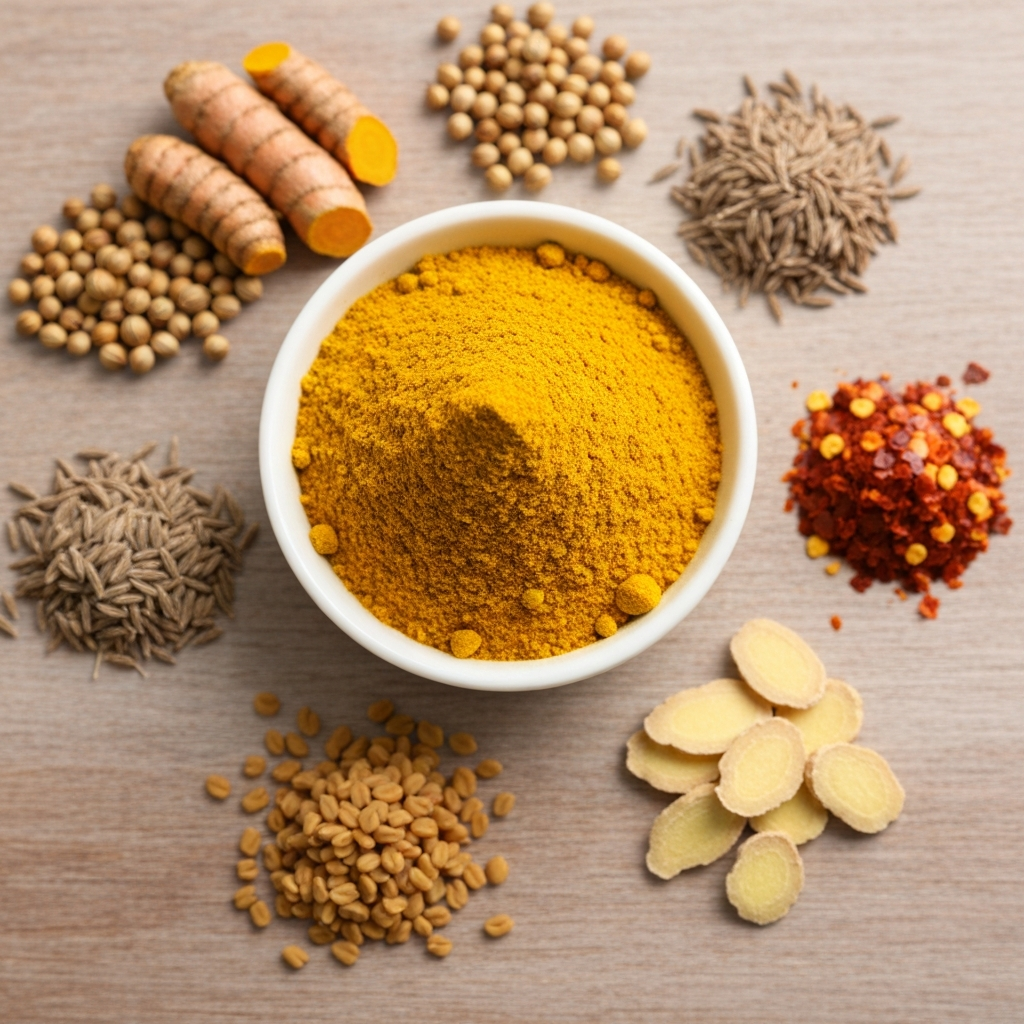
Did you know that “curry powder” isn’t a single spice but rather a blend of many? This versatile seasoning is your secret weapon for adding warmth and complexity to dishes, making it a must-have for any new cook.
What is Curry Powder?
At its heart, curry powder is a spice blend designed to mimic the flavors of traditional Indian curries. However, its origins are more complex. The blend was popularized by the British during their colonial rule in India, as a way to bring the taste of Indian cuisine back home. It’s important to understand that there isn’t one definitive recipe for curry powder. Instead, different regions and brands create their own unique combinations.
The exact ingredients can vary widely, but common components often include:
- Turmeric: This gives curry powder its signature golden-yellow color and earthy flavor.
- Coriander: Adds a citrusy, slightly sweet note.
- Cumin: Provides a warm, smoky, and slightly bitter taste.
- Fenugreek: Offers a unique, slightly bitter, maple-like aroma and flavor.
- Chili Powder or Cayenne Pepper: For a touch of heat.
- Ginger: Adds a pungent, spicy kick.
- Garlic Powder: For a savory depth.
- Mustard Seeds: Can add a sharp, pungent flavor.
Choosing Your Curry Powder
With so many variations, how do you pick the right one?
Mild vs. Hot
Many curry powders will be labeled as mild, medium, or hot. This usually refers to the amount of chili or cayenne pepper included. For your first foray, a mild or medium blend is a safe bet. You can always add extra chili flakes or a fresh chili pepper to a dish if you want more heat.
Different Styles
You might also encounter different styles, such as Madras curry powder, which tends to be spicier and more intensely flavored, or Bengali curry powder, which might have a different balance of spices. Experimenting with different brands and styles is part of the fun!
How to Use Curry Powder
Curry powder is incredibly versatile. Here are some basic ways to start using it:
- Stir-fries: Add a teaspoon or two to your stir-fry sauce for an instant flavor boost.
- Soups and Stews: Stir it into broths and stews to deepen their flavor profile.
- Roasted Vegetables: Toss vegetables like cauliflower, potatoes, or sweet potatoes with oil and curry powder before roasting.
- Marinades: Mix with yogurt or oil to marinate chicken, lamb, or tofu.
- Rice and Grains: Stir a small amount into rice, quinoa, or couscous as it cooks for a flavorful side dish.
- Eggs: Sprinkle it over scrambled eggs or omelets.
Remember that curry powder is a concentrated flavor. Start with a small amount and add more to taste. You can often find it in the spice aisle of your local grocery store. For more information on specific spice blends and their uses, you can explore resources on culinary spices.
Frequently Asked Questions about Curry Powder
What’s the difference between curry powder and curry paste?
Curry powder is a dry blend of ground spices, while curry paste is a wet mixture, often containing fresh ingredients like chilies, garlic, ginger, and lemongrass, along with ground spices. Pastes generally offer a more intense and complex flavor.
How do I store curry powder?
To maintain its freshness and flavor, store curry powder in an airtight container in a cool, dark place, away from direct sunlight and heat. Properly stored, it can last for a year or more, though its potency will gradually decrease over time.
Can I make my own curry powder?
Absolutely! Making your own curry powder allows you to customize the spice blend to your exact preferences. You can toast whole spices like cumin seeds, coriander seeds, and mustard seeds before grinding them for a more intense flavor. This is a great way to experiment with different flavor profiles.
What dishes pair well with curry powder?
Curry powder is excellent with a wide range of ingredients. It complements chicken, lamb, beef, fish, and tofu beautifully. It also works wonders with vegetables like potatoes, cauliflower, sweet potatoes, peas, and spinach. Don’t hesitate to experiment with your favorite ingredients!
Conclusion
Curry powder is an accessible and exciting way for new cooks to explore global flavors. Its adaptability means you can use it in countless dishes, transforming simple meals into something extraordinary. So, grab a jar, start experimenting, and enjoy the delicious journey!